
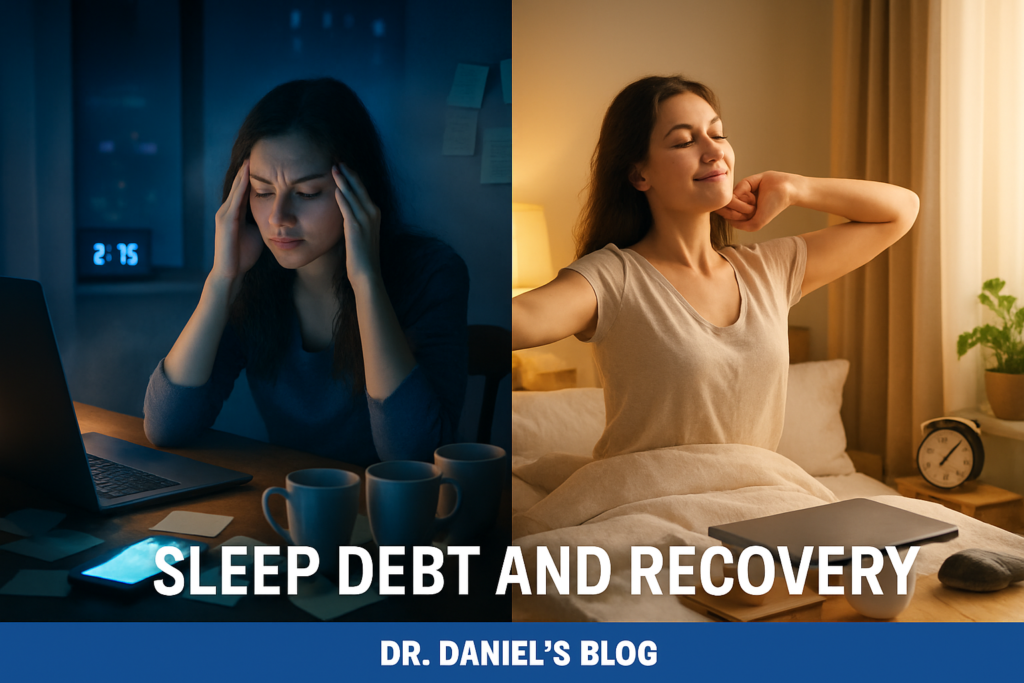
The morning Maya forgot her own coffee order
Maya slid into my clinic chair with sunglasses and a smile that looked glued on. Twenty-eight, brilliant, building a startup—and running on fumes. Her heart raced at odd times, her thoughts felt like static, and she kept catching every cold that floated by. Labs were fine. Coffee intake, not so much. Finally I asked, “How much are you sleeping?” She laughed. “Four, maybe five hours. I’ll catch up this weekend.”
That was the moment it clicked: this wasn’t just stress. It was sleep deprivation dressed up as hustle.
What sleep quietly fixes while we dream
- Memory and focus: REM sleep and deep sleep stabilize new learning, so your brain stops dropping thoughts mid-sentence.
- Hormones and weight: Poor sleep skews ghrelin and leptin, nudging late-night cravings and stubborn weight gain.
- Heart and blood pressure: Healthy sleep steadies the autonomic nervous system, lowering nighttime blood pressure and restoring heart rhythm.
- Immunity and inflammation: A rested body deploys antibodies and tamps down inflammation—fewer sniffles, faster healing.
- Mood and mental health: Sleep health supports resilience, easing anxiety and the emotional swings that make small problems feel enormous.
Maya’s circadian rhythm was off-kilter: bright screens at midnight, emails at 2 a.m., sunrise alarms at 6. She wasn’t broken—her routines were. We made a plan rooted in evidence-based sleep hygiene.
Tiny shifts that changed everything
- Consistency: One wake time, seven days a week, to reset her internal clock.
- Light therapy: Bright light within an hour of waking; dim, warm light after sunset.
- Caffeine cut-off: Nothing after early afternoon to protect slow-wave sleep.
- Screen curfew: Phones out of the bedroom; an analog alarm instead.
- Wind-down ritual: Ten minutes of journaling, a warm shower, and a book—signal to body and brain that sleep is coming.
- Bedroom reset: Cool, dark, quiet, reserved for sleep and intimacy only.
Two weeks later Maya returned without sunglasses. No heart flutters. No brain static. She wasn’t perfect—nobody is—but she was human again. Healthy sleep hadn’t just improved her symptoms; it changed the way her day felt from the inside out.
If you’re tired of being tired
You don’t need perfection to repair sleep health; you need patterns your body can trust. If insomnia, snoring, or restless nights keep winning, start a simple sleep diary for two weeks, then share it with your clinician. For practical guides and compassionate care, visit Dr. Daniel Frank Umoh.
The quiet lesson
In clinic, the most powerful medicine was free and waiting in the dark. When we honor the body’s circadian rhythm, the day gets easier, food tastes better, conversations feel lighter, and our hearts settle into a safer beat. Tonight, choose one small change. Give sleep a fair chance—and let tomorrow surprise you.